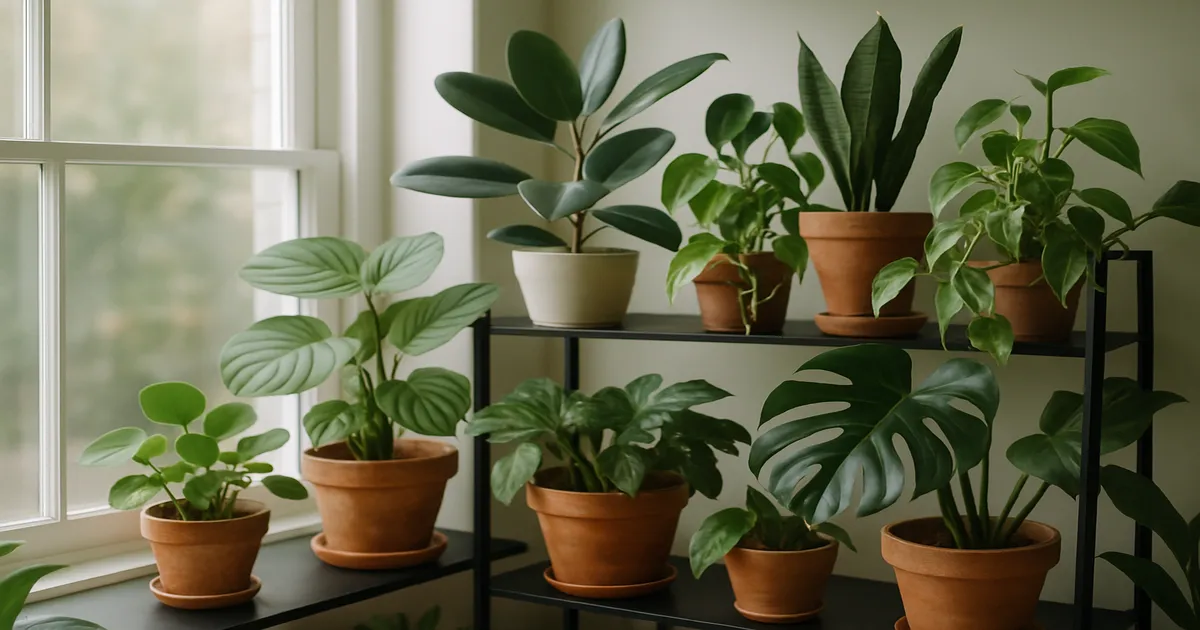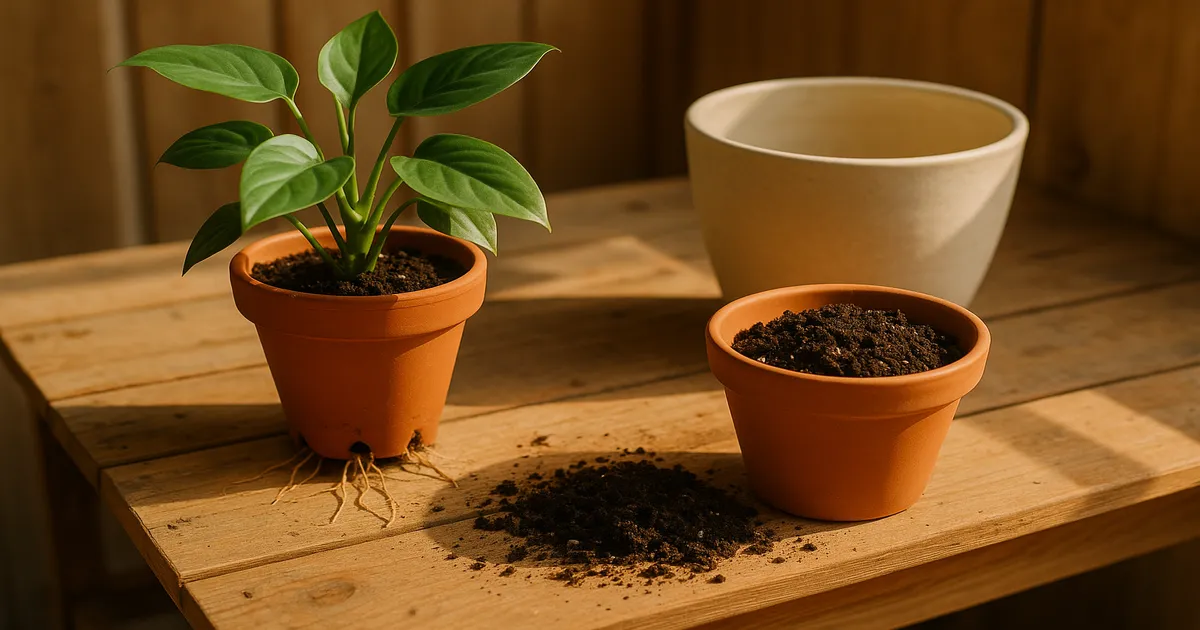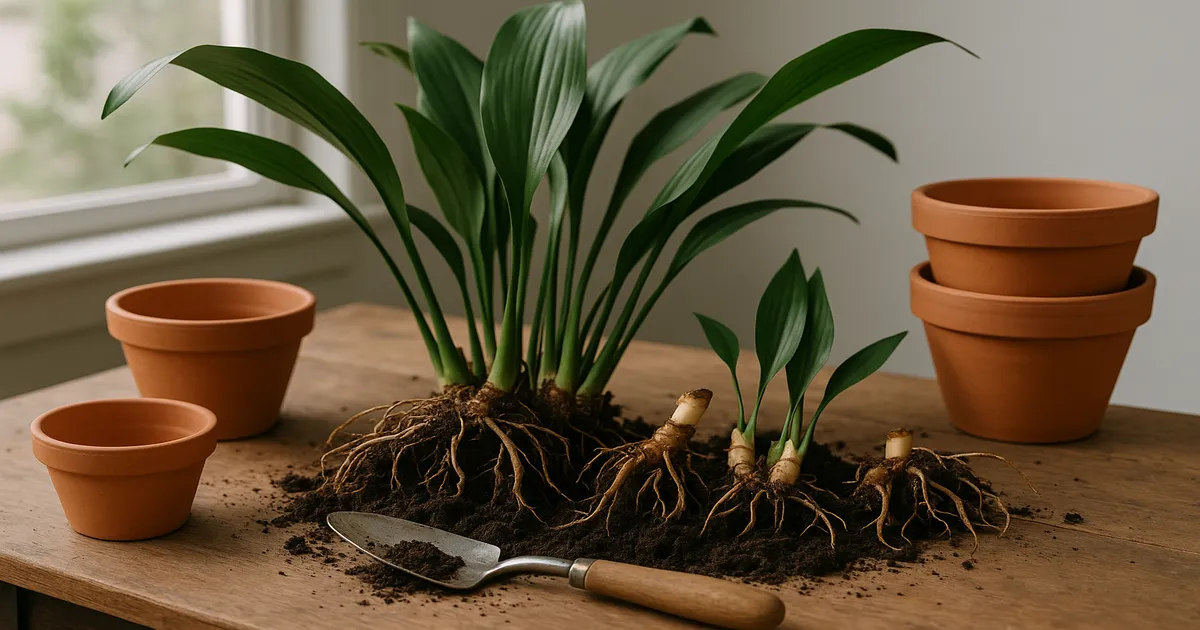
Quick Answer: If your plant is stretching toward the light, growing pale or yellowing leaves, refusing to flower, or sitting more than 4 feet from a window, you should probably add a grow light. Before buying anything, try moving the plant closer to a window — that’s free and often enough. If repositioning isn’t possible or doesn’t help within a few weeks, supplemental lighting is your next move.
Eyeing a dark corner of your living room or a windowless office desk and wondering should I add a grow light here? — you’re asking exactly the right question. Most houseplant problems blamed on watering are actually light problems in disguise. This guide will help you diagnose what’s really going on, measure your actual light levels, and make a smart decision before spending money on equipment.
Should I Add a Grow Light? Start With This One-Minute Diagnosis
Run through this checklist. Two or more boxes checked means a grow light is likely warranted:
- Stems are long and spindly with wide gaps between leaves
- Leaves are pale, washed-out, or yellowing without obvious overwatering
- A flowering plant hasn’t bloomed in over a year despite good care
- Growth has essentially stopped for months
- The plant sits more than 4 feet from any window
- The room is north-facing, a basement, or an interior space
Always try repositioning first. Moving a plant from 6 feet away to 2 feet from a south- or west-facing window can quadruple the light it receives — for free. If that’s not possible due to space, aesthetics, or a window that simply doesn’t deliver enough light even up close, a grow light is genuinely worth the investment.
How Plants Use Light Indoors
Plants are solar-powered glucose factories. Using chlorophyll in their chloroplasts, they capture light energy and combine it with CO₂ and water to produce glucose — the fuel behind every process from root growth to flowering. When light is inadequate, that factory slows down and eventually grinds to a halt.
Light Metrics You’ll Actually Encounter
| Level | Foot-Candles | Lux | PPFD (µmol/m²/s) | DLI (mol/m²/day) |
|---|---|---|---|---|
| Low light | 25–100 fc | 270–1,075 lux | 10–30 | 1–3 |
| Medium light | 100–500 fc | 1,075–5,380 lux | 30–150 | 4–10 |
| Bright indirect | 1,500–3,000 fc | 16,000–32,000 lux | 150–300 | 12–20 |
| Direct sun (indoors) | 3,000–8,000+ fc | 32,000–86,000+ lux | 300–800+ | 20–40+ |
PPFD (Photosynthetic Photon Flux Density, µmol/m²/s) counts only the photons plants can actually use — it’s the most useful number for evaluating grow lights. DLI (Daily Light Integral, mol/m²/day) is the total photon dose over 24 hours and is arguably the most important metric for long-term plant health. A bright light run for two hours delivers far less than a moderate light run all day.
Every plant also has a light compensation point — the minimum intensity where photosynthesis and respiration balance out. Below it, the plant burns more energy than it makes. You can water perfectly, fertilize correctly, and maintain ideal humidity, and the plant will still slowly decline. No amount of good care compensates for a photosynthetic deficit.
7 Signs Your Plant Isn’t Getting Enough Light
1. Leggy, Stretched Stems (Etiolation)
Etiolation is the plant’s attempt to find more light. Phytochrome receptors detect shade conditions and trigger rapid stem elongation. The result: long, weak stems with leaves spaced far apart. This isn’t cosmetic — it signals genuine metabolic stress.
2. Pale or Yellowing Leaves (Chlorosis)
When there aren’t enough photons to sustain chlorophyll synthesis, the plant breaks it down faster than it replaces it. Leaves go pale green, then yellow-green, often starting with new growth. Rule out overwatering, root rot, and nutrient deficiency first. If roots look healthy and soil pH sits between 5.5 and 6.5, inadequate light is the likely culprit.
3. No Flowers Despite Healthy Foliage
Flowering is energy-expensive. Day-neutral plants like anthuriums and peace lilies need consistent bright indirect light (150–300 µmol/m²/s PPFD) to bloom reliably. Short-day plants like Christmas cactus need both an adequate light period and an uninterrupted dark period. Fruiting plants — citrus, peppers — need near-full-sun levels indoors and almost always require supplemental lighting to set fruit.
4. Stalled Growth for Months
Growth is constrained by the scarcest resource. If light is below the compensation point, adding more fertilizer does nothing. If your plant has barely moved in three or four months despite correct watering and feeding, light is almost certainly the bottleneck.
5. Every Leaf Craning Toward the Window
A little phototropism is normal. Dramatic, persistent leaning — where every leaf strains toward the nearest window — means the plant is working hard to capture every available photon. It’s a distress signal, not a charming quirk.
6. Soil Staying Wet for Over a Week
Plants in low light transpire less and metabolize water more slowly. Persistently wet soil dramatically increases root rot risk. Slow-drying soil is often a light problem masquerading as a watering problem.
7. New Leaves Smaller Than Mature Ones
New growth requires the most energy to produce. When light is scarce, the plant economizes by making smaller, thinner leaves. If your plant’s newest leaves are noticeably smaller than the older ones, it doesn’t have enough resources to grow properly.
Locations That Almost Always Need a Grow Light
North-facing windows rarely exceed 100 fc even on a clear day — enough for snake plants and ZZ plants, but not much else.
Spots more than 4–6 feet from any window suffer from the inverse square law: double the distance and intensity drops to one quarter. A plant 6 feet from a window may receive only 10–15% of the light available at the glass.
Bathrooms with frosted or small windows often deliver well under 100 fc at plant level. The humidity suits tropicals; the light usually doesn’t.
Offices with overhead fluorescents typically deliver 50–200 fc at desk level — enough for humans, not enough for most plants.
Basements and interior rooms have no natural light. Grow lights aren’t optional here; they’re the only option.
Lower shelves of bookcases and plant stands can be dramatically shadowed by the shelves above, even in a bright room.
Winter compounds everything. In northern cities like Chicago, London, or Toronto, a south-facing window in December may deliver only 2–5 mol/m²/day DLI — well below the 8–12 mol/m²/day most tropical houseplants need to thrive. The sun angle drops, days shorten to 8–10 hours, and plants that looked great all summer start showing deficiency symptoms by November. Modern Low-E glass can block 70–80% of PAR, compounding the problem year-round.
How to Measure Your Light Before Buying Anything
The Shadow Test (Free, 30 Seconds)
Hold your hand about 12 inches above a white piece of paper at midday on a clear day:
- Sharp, defined shadow → bright light (sufficient for most foliage plants)
- Soft but visible shadow → medium light (adequate for low-to-medium light species)
- Barely visible or no shadow → low light (only the most shade-tolerant plants survive long-term)
Smartphone Lux Meter Apps
Free lux meter apps are a reasonable starting point. They’re not as precise as a dedicated quantum PAR meter, but accurate enough to tell you whether you’re in the 100 fc range or the 1,000 fc range — which is usually all you need to know. Take readings at multiple times of day and average them.
Calculating DLI From Your Readings
Once you have an average PPFD reading, use this formula:
DLI = PPFD × hours of light × 0.0036
Example: 80 µmol/m²/s for 10 hours → 80 × 10 × 0.0036 = 2.88 mol/m²/day (low light territory).
Matching Readings to Your Plant’s Requirements
| Plant | Minimum DLI | Ideal DLI |
|---|---|---|
| Snake plant, ZZ plant | 1–2 mol/m²/day | 4–6 mol/m²/day |
| Pothos, philodendron | 3–4 mol/m²/day | 8–12 mol/m²/day |
| Monstera deliciosa | 4–5 mol/m²/day | 10–15 mol/m²/day |
| Peace lily | 4–5 mol/m²/day | 8–12 mol/m²/day |
| Succulents, cacti | 8–10 mol/m²/day | 20–30+ mol/m²/day |
| Fruiting plants (citrus, peppers) | 15–20 mol/m²/day | 25–40+ mol/m²/day |
Choosing the Right Grow Light
Full-Spectrum LED Panels
Full-spectrum LEDs covering 400–700 nm — with peaks in blue (around 450 nm) and red (around 660 nm) — are the best all-around choice for home growers. They’re energy-efficient, produce minimal heat, and last tens of thousands of hours. For most people, this is the answer. (Mars Hydro TS 600 LED Grow Light)
White-Spectrum LEDs
If you dislike the purple-pink glow of blurple grow lights in your living room, white-spectrum LEDs (5,000–6,500K) are a great compromise. They look like regular bulbs, blend into home décor, and deliver adequate light for most foliage houseplants.
T5 Fluorescent Tubes
T5 high-output fluorescents work well for seedlings, cuttings, and low-to-medium light plants. They’re affordable upfront, though less energy-efficient than LEDs and need bulb replacement every 10,000–15,000 hours. Position them 4–12 inches above the plant canopy. (Hydrofarm Agrobrite T5 Grow Light Fixture)
What to Look for on the Label
Wattage alone tells you almost nothing. What matters is the PPFD map — a chart showing actual photon delivery at different distances under the fixture. Reputable manufacturers publish this data. Match the PPFD at your intended hanging height to your plant’s requirements from the table above.
Placement and Duration
| Plant Type | PPFD Target | Daily Duration |
|---|---|---|
| Seedlings & propagules | 100–200 µmol/m²/s | 16–18 hrs/day |
| Foliage plants (medium light) | 50–150 µmol/m²/s | 12–16 hrs/day |
| High-light species (succulents, fruiting) | 200–400+ µmol/m²/s | 14–16 hrs/day |
Always use a timer. Plants have circadian rhythms just like we do, and consistent photoperiods matter more than most people realize.
Recovering a Light-Deprived Plant
Acclimate gradually. Don’t move a plant from near-darkness to bright light in one step. A plant that’s been in low light for months has thin leaves with limited photoprotective pigments, and sudden high intensity causes photooxidative damage — essentially sunburn. Increase light over 2–4 weeks, moving the plant closer or raising the grow light incrementally.
Prune leggy growth. Etiolated stems won’t revert. Once you’ve corrected the light conditions, prune back to a healthy node and the new growth will be compact and properly sized. Stake any remaining weak stems while the plant recovers.
Expect chlorosis recovery to take time. Severely yellowed older leaves won’t green up — remove them. New leaves will emerge healthy. Support recovery with a balanced fertilizer at half-strength, such as a 20-20-20 formula, once every two to four weeks during the growing season. Don’t push a stressed plant with heavy feeding.
Adjust your watering. Plants under grow lights transpire faster and dry out more quickly than they did in low light. Check soil moisture more frequently. For most tropicals, a well-draining mix with 20–40% perlite helps prevent waterlogging as watering frequency increases.
Which Plants Need a Grow Light Most?
High priority: Succulents, cacti, fruiting plants (citrus, peppers), and variegated cultivars like Monstera Albo or Marble Queen Pothos. Variegated plants have reduced chlorophyll in their white sections and need more light than all-green counterparts to achieve the same photosynthetic output. For these plants, a grow light is a near-necessity.
Medium priority: Monsteras, pothos, philodendrons, and peace lilies in dark rooms. These species tolerate medium light but thrive in bright indirect light. In a north-facing room or far from any window, a grow light will make a noticeable difference in growth rate and leaf size.
Low priority: Snake plants, ZZ plants, and cast iron plants. These are genuinely shade-tolerant and can survive at 25–100 fc. They won’t thrive there, but they won’t collapse either. If your grow light budget is limited, spend it on your succulents and monsteras first.
Seedlings of almost any species are a special case. They have tiny leaf area and can’t capture enough photons at low intensities regardless of species. A T5 fluorescent or LED panel at 16–18 hours per day is close to universal for starting seeds indoors.
FAQ: Should I Add a Grow Light Here?
Can I leave a grow light on 24 hours a day? No. Most plants need a dark period for respiration and circadian processes. Running lights continuously can actually slow growth and stress the plant. Stick to 12–18 hours depending on species, and use a timer to keep the schedule consistent.
How far should a grow light be from my plant? It depends on the fixture’s output. Check the manufacturer’s PPFD map. As a rough guide, most LED panels for houseplants work well at 12–24 inches above the canopy. T5 tubes should be 4–12 inches away. If leaves bleach or develop crispy tips, raise the light.
Will a grow light raise my electricity bill significantly? A quality LED grow light drawing 30–60 watts running 14 hours a day costs roughly $1.50–$3.00 per month at average US electricity rates. It’s a modest expense compared to replacing dead plants.
My plant looks healthy — do I still need a grow light? Not necessarily. “Surviving” and “thriving” are different things. If your plant is holding its color, producing new leaves of normal size, and growing at a reasonable pace, your light is probably adequate. If growth is very slow but the plant looks otherwise fine, a grow light will speed things up — but it’s not urgent.
Can grow lights replace sunlight entirely? Yes, for most houseplants. Full-spectrum LEDs cover the PAR range plants need. Many commercial growers raise plants entirely under artificial light. The key is matching the PPFD and DLI to the plant’s requirements — a weak bulb won’t cut it for high-light species.